June 2026 Monthly
Iran , Oil Markets, Colombia, California, Federal Reserve Outlook

Email: decodingpolitics@protonmail.com
Substack: decodingpolitics.substack.com
Twitter: twitter.com/DecodingPoliti2
*Not financial advice, merely pointing out political and macro trends*
Another nutty month in financial markets. SpaceX IPO’d, and as we wrote about a couple weeks ago, propped up the markets for a few days. But there are risks to the AI and tech trade over the summer.
The Iranian MOU with the US is out and looks likely to be a major conclusion to the Iran conflict. Not final though. We look through the deal and see how it lined up with our predictions.
We look at the elections in California- which we got wrong- and Colombia- which we got right. The latter has a bright future ahead of it. The former, is facing a tough path ahead as the fiscal ratchet hurts growth and forces businesses to move.
Finally we look at new Fed chairman Warsh and his more hawkish turn.
1. The Iranian US MOU
2. There Really Is No Oil
3. California Recap
4. Colombia
5. The Fed- Market Pricing In Hikes

1) The Iranian US MOU
Over the past week, details have slowly emerged of the Iran US Memorandum of Understanding designed to resolve all outstanding issues. It’s supposed to be signed by June 19th. After there will be a 60-day ceasefire. During that time, the real negotiations on the real issues will commence and progress.
Bloomberg published the whole thing. We have summarized the 14 points:
1. Immediate end to war on all fronts
2. Not interfering in each other’s internal affairs
3. Goal is to have a final deal in 60 days
4&5. US ends blockade, with draws troops. Iran reopens Hormuz
6. Creation of $300bn fund for Iranian reconstruction and development
7. US agrees on a schedule to end all sanctions
8. The Islamic Republic of Iran reiterates that it will never produce nuclear weapons.
9. Iran will maintain status quo on nuclear program, US will impose no new sanctions
10. The United States will issue sanctions waivers immediately for Iranian oil
11. US releases frozen funds to Iran
12. US and Iran will agree on an implementation mechanism
13&14. After the first part is done, we will negotiate the rest. The final agreement will be approved through a binding resolution of the UN Security Council.
Our thoughts:
This is everything that Iran wanted. Trump surely knew that continued military operations would not be successful in forcing the Iranians to cave. So he made a borderline surrender here. We always said that they win by not losing. They most certainly hamstrung the American military and did not lose.
Now this deal is not final and could fall apart. But that would just increase Iran’s leverage in a couple months as it earns a windfall from Hormuz traffic. And it could gum up all Red Sea traffic too. Will they? We don’t know. We suspect not.
The key variable in this is Israel. Netanyahu and many Israeli lawmakers hate this deal. It forces Israel to withdraw from fighting everywhere. It brings its enemy, Iran, back in from the cold and back into the global economy. Israel has killed negotiators and crashed deals before- will they try it again? If so, it’d be back to square one. We think Trump slapped around Israel enough for now that they wouldn’t try it. But it’s not out of the question.
This lined up basically with that we predicted five months ago. We expected several weeks to months of shooting. We put greatest odds on a negotiated compromise, with Iran only negotiating a peace in exchange for sanctions relief and international recognition. Here we are:
Negotiated Compromise
We all know that Trump starts negotiations with a big ask, and will walk it back to a more realistic outcome. We think that the big ask here is regime change. But if several months of strikes had proved insufficient for regime change, he would settle.
What would such a settlement look like? More promises on the nuclear program. A withdrawal of Iranian forces and support from the region.
It will probably involve the Ayatollah remaining but Constitutional changes to allow more room for dissenting voices.
In return, Iran would get a roadmap to international recognition and sanctions relief.
Chances: 50%
2) There Really Is No Oil
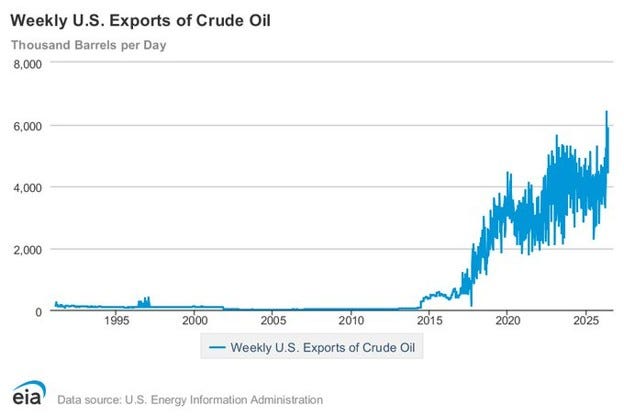
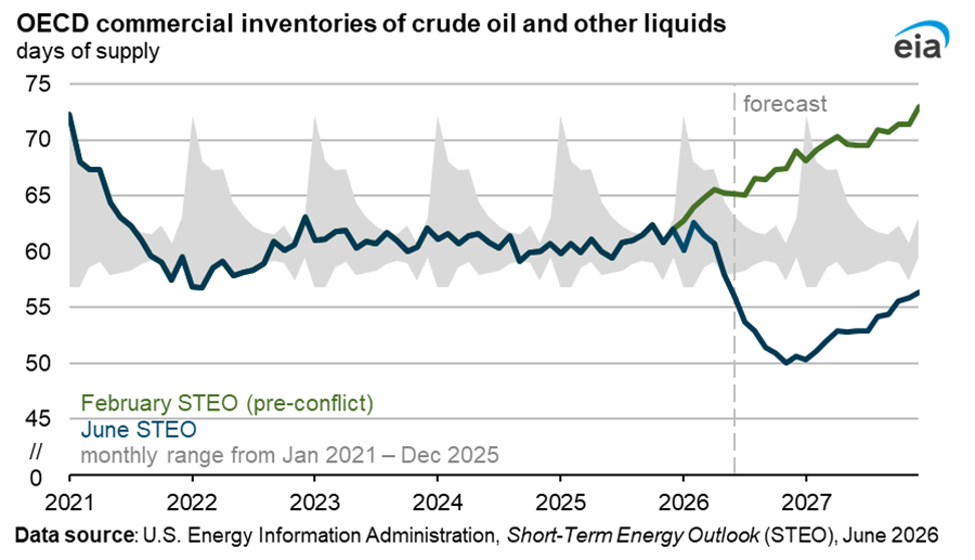
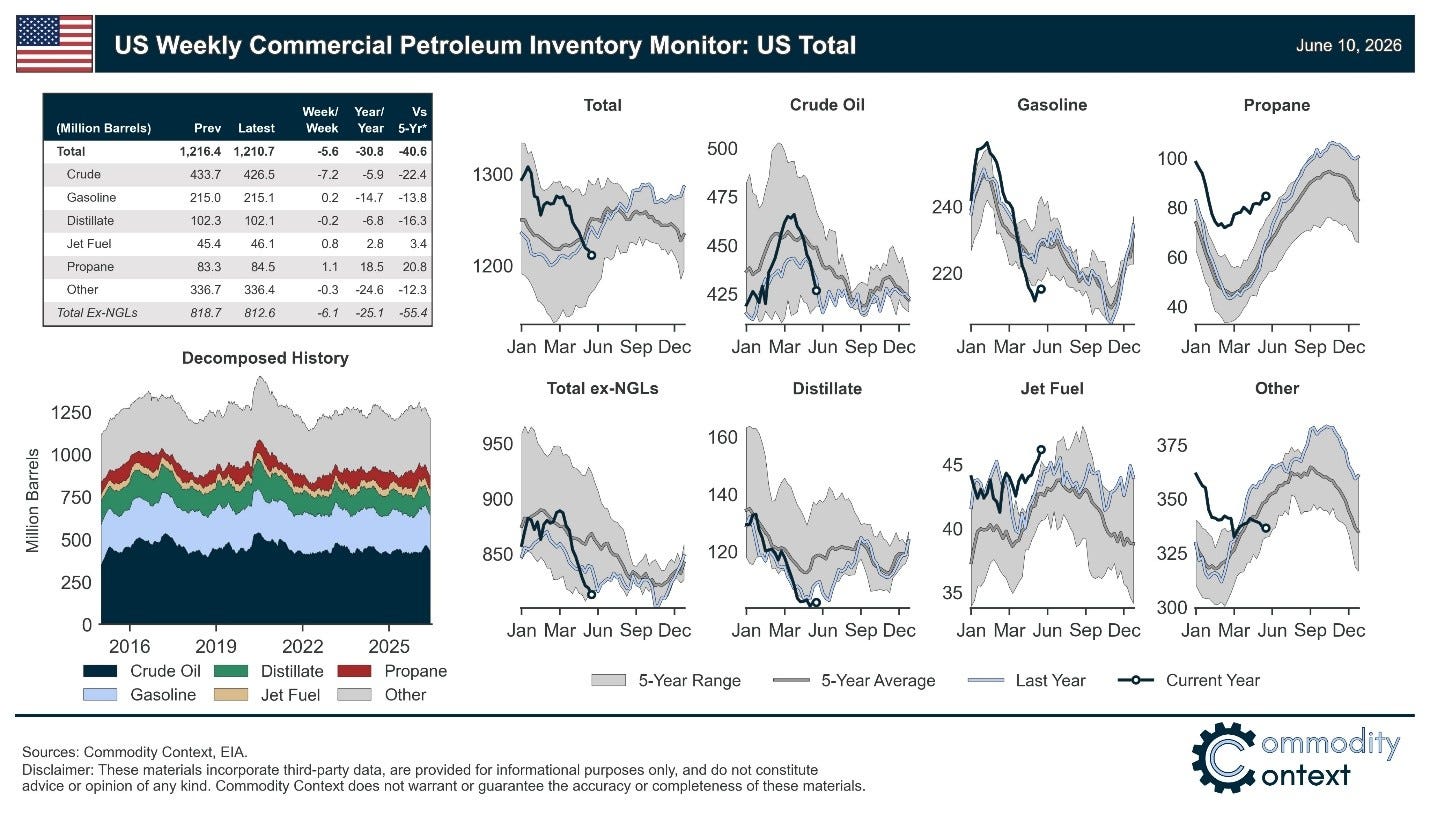
This deal couldn’t have come at a more crucial time for the oil markets. Oil inventories everywhere have been crashing the past few weeks. The last ships from Hormuz left in March and arrived the end of April. Supplies from the US and redirected to the Red Sea still left a huge hole in the market. Now it’s a matter of getting the Hormuz trade restarted- clean boats, crews, insurance, and traveling to and from their destinations in the Gulf.
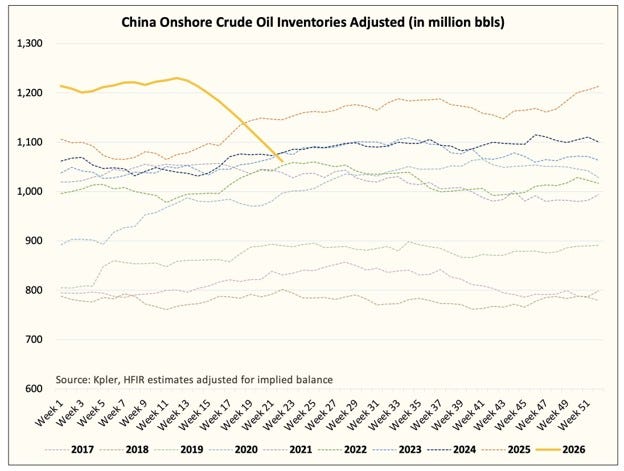
Here is China’s oil inventory picture, which has been falling rapidly
Japan had built large stocks but was using them rapidly:
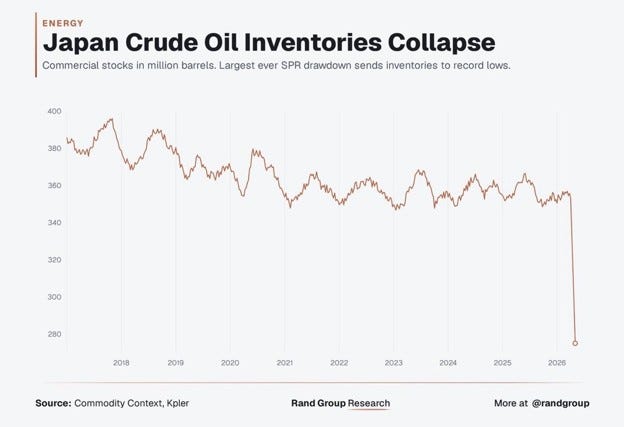
All over the OECD inventories are way below monthly averages:
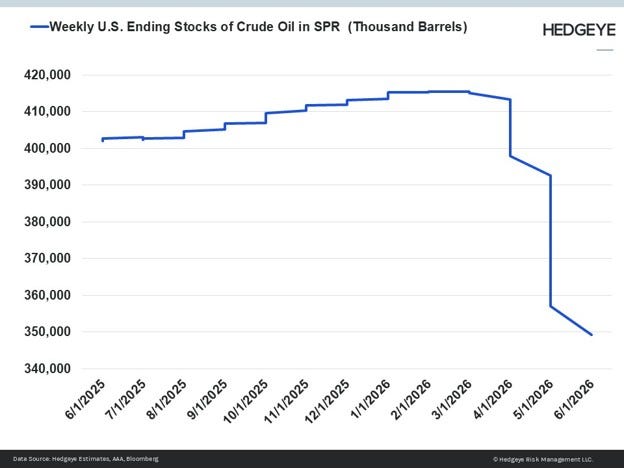
At current pace, the US Strategic Petroleum Reserve will hit technical limits in a few weeks:
Let’s see if the Hormuz deal holds and Iran can get traffic fully flowing the Straits in the next 30 days. If they do, then the current oil price is right. If they can’t or don’t, then the inventory squeeze will get severe.
3) Los Angeles Mayoral Election Recap
We made a big call that Spencer Pratt could win in Los Angeles’ mayoral election. Initially, he had cruised comfortably into second place. He was 5 points behind Mayor Bass and 5 points ahead of Councilwoman Raman. But as the mail in ballots were counted over the next two weeks, over 40% of them went to Raman. She rose and rose in the polls and cruised into second. Bass’ numbers hardly changed. Pratt’s collapsed to a distant third. A similar dynamic happened in the governor’s race- although we never predicted a Republican would make it to the runoff there.
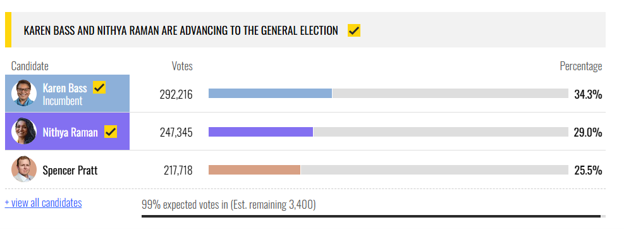
Pratt is now saying he has recordings which will force the others to resign in disgrace. Maybe. We’ll see. But we thought Pratt’s popularity and campaign could overpower California’s Democratic machine. We clearly underestimated its power and mendacity.
4) Colombia Recap
Colombia went to the polls on May 31st. We expected the right wing candidates to get well over 50% combined in this first round and then cruise to victory in the second round. That’s what happened. The right consolidated on Bukele fan de la Espriella, who finished first. He was widely expected to place second to leftist candidate Cepeda.
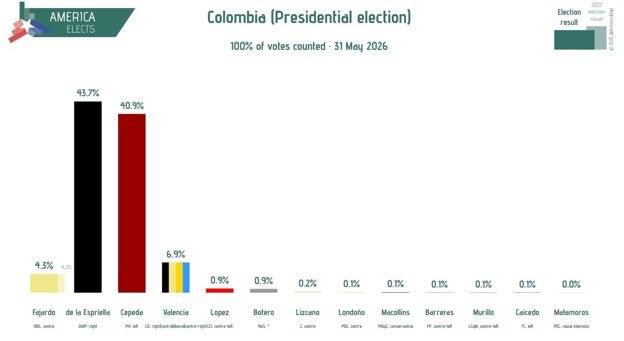
The top two now go to a June 21 run off. Colombian polls tend to be accurate. They are all showing de la Espriella to win by 53 or 54%. This should unlock a very positive few years for Colombia after years of stupid populism.
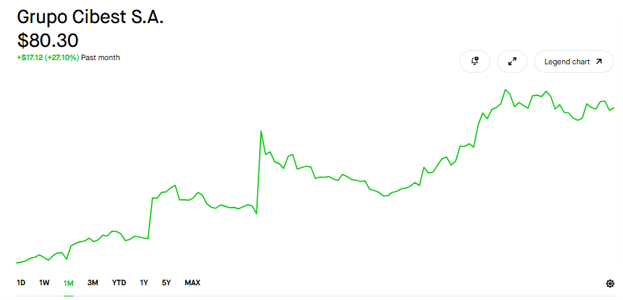
The market has liked the outcome thus far. The largest bank in the country is up 27% in the past month and is hitting 52 week highs. But we think there is much more to go.
5) Federal Reserve Outlook – Fed Tuns Hawkish
In his first press conference as the new head of the Federal Reserve, new head Kevin Warsh was direct. Almost terse. Inflation was too high and had been for five years. It is time for it to come down.
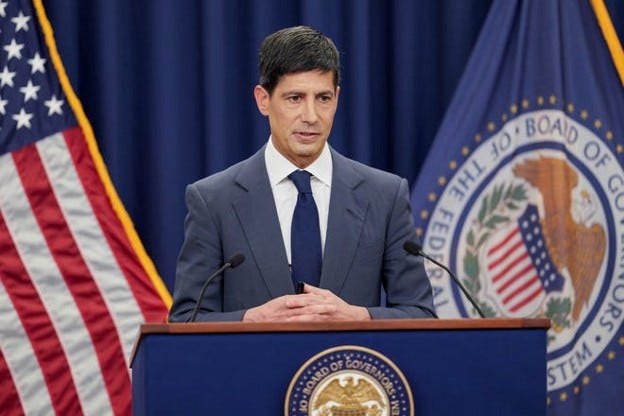
The new Fed chairman Kevin Warsh
The statement was extremely short and to the point: “Inflation remains elevated relative to the Committee’s 2 percent goal, in part reflecting supply shocks that have driven price increases in certain sectors, including energy. The Committee will deliver price stability.” Doesn’t leave much doubt what they want.
This was probably a hawkish surprise for a market that had been expecting one Fed hike this year:
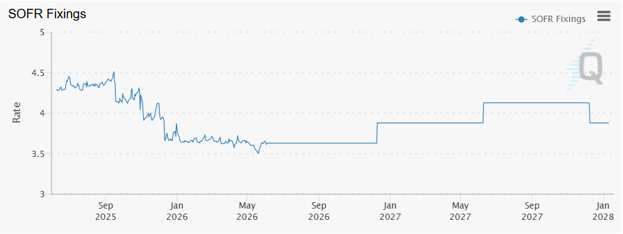
CME Fed Watch
The Fed’s dot plots, its projects by members of rates, showed nine members wanted to raise rates, some multiple times, this year.
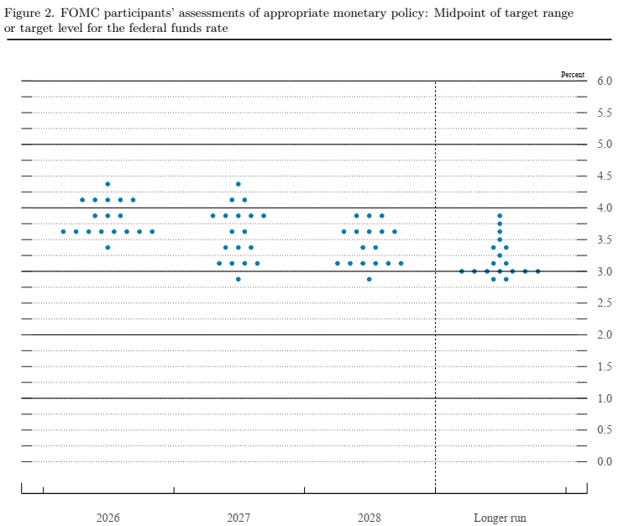
Warsh also announced a number of task forces to look at the longer term inflation picture, economic data, and other aspects of implementing Fed policy. While he is certainly no Volcker, there’s no doubt that Warsh is much more hawkish than Chairman Powell.
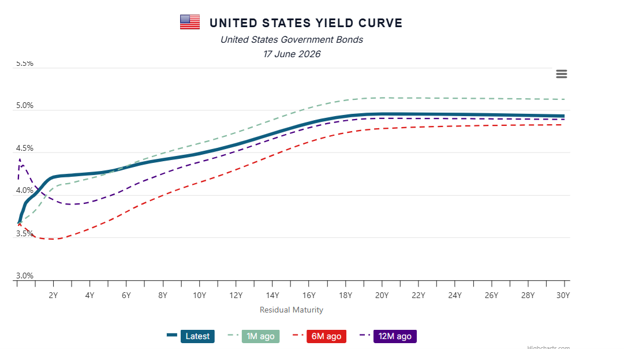
Since Warsh has come in last month, long rates have declined a little bit, and short rates are slightly higher. That may be the first sign of getting inflation expectations under control: